CNC milling isn’t always the flashiest topic. But if you work in manufacturing or engineering, you know it’s the beating heart of modern fabrication. So, what does the future of CNC milling look like? Well, the changes underway are nothing short of jaw-dropping. We’re talking about smart machines, intelligent software, and innovations that almost feel science-fiction.
In this article, I’ll give you a friendly, easy-to-digest tour of the technologies and trends shaping the future of CNC milling. Whether you’re a seasoned machinist, a Colorado business owner, or just a tech enthusiast with a thirst for up-to-date info, you’ll walk away with a better understanding of where custom CNC milling is headed—and why it matters for Colorado machine shops like Advanced Precision Machining.
Let’s dig in and answer big questions, like: How is AI changing CNC milling? What new materials are on the horizon? Will automation take your job—or make your CNC machine shop more efficient than ever? We’ll cover emerging CNC milling trends, the excitement around automation in CNC milling, and how these changes are already improving outcomes in places like Longmont, Denver, and across Colorado’s Front Range.
Emerging Technologies in CNC Milling
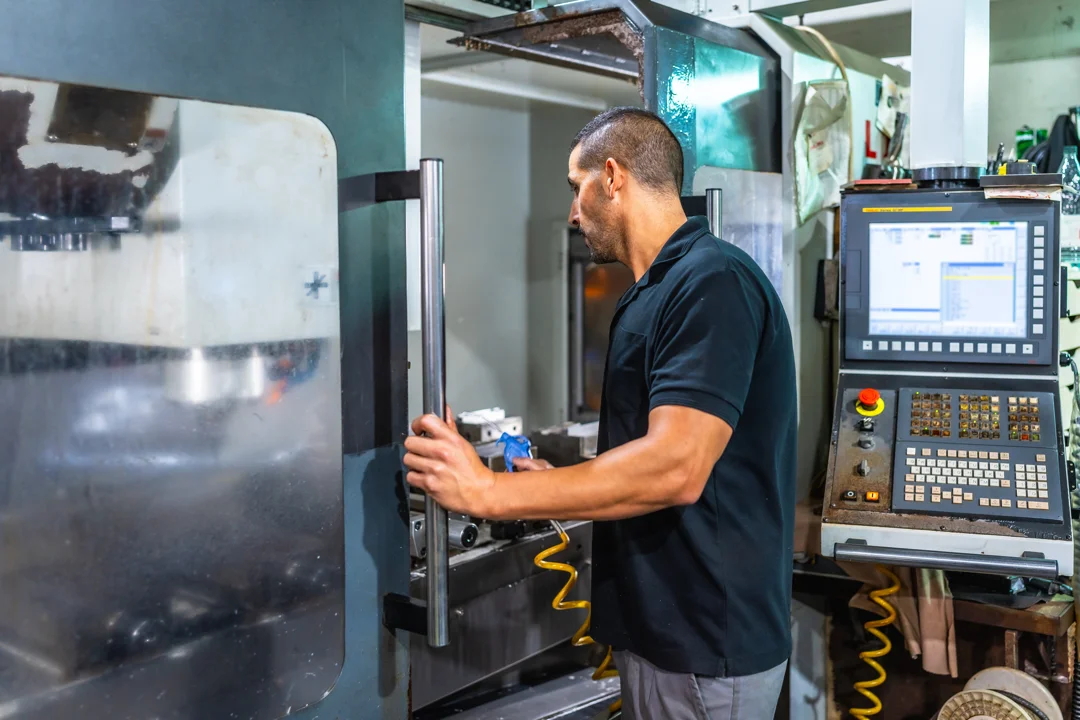
If someone told me ten years ago we’d be talking about AI making decisions on the shop floor, I would’ve raised an eyebrow. But here we are! Modern CNC milling machines aren’t just “cut, rinse, repeat.” They’re smarter, faster, and more adaptable than ever—they’d probably give your smartphone a run for its money.
AI and Machine Learning
Let’s start with the showstopper: artificial intelligence. AI in CNC milling isn’t about replacing good old-fashioned know-how—it’s about making that know-how go further. Imagine a system that can predict tool wear before it happens or flag a tiny material flaw you’d never spot until it was too late. That’s where machine learning comes in.
For instance, some Colorado machine shops feed thousands of hours of cutting data into an AI platform. Over time, the system learns what “normal” machining sounds and feels like. When something’s off—a squeal, a shudder, or a change in vibration—the AI calls it out, allowing you to tweak parameters before things get costly.
AI-driven quality control can even cut down on waste—both of materials and time. That’s high speed machining with a brain!
Additive/Subtractive Hybrid Manufacturing
Ever heard of 3D printing? Combine that with good old CNC milling and you get hybrid manufacturing. Shops no longer have to choose between building a part layer by layer (additive) or sculpting it from a block (subtractive). Now, you can print the base shape, then mill down the details for ultra-tight tolerances.
This approach is starting to pop up in advanced CNC machine shops. It’s awesome if you care about making custom CNC milling quicker, less wasteful, and more flexible—especially for tricky geometries that are tough to machine the traditional way.
Automation and Robotics
It’s hard to talk about the future of CNC milling without mentioning automation. Yes, you’ll still find lots of hands-on skill in shops around Colorado, but automation in CNC milling is taking the grind out of repetitive tasks.
Picture this: robotic arms loading and unloading workpieces 24/7… precision milling done with less downtime, fewer errors, and happier machinists (who get to focus on the brainy stuff). In fact, companies like ours have started integrating these robots not because we’re trying to replace people, but because we want them working on tasks that need a human touch—like creative problem-solving and quality checks.
Automation isn’t just about speed; it’s about consistency. Every cut, every hole, every finish comes out precisely as planned.
Digital Twins and Simulation
Okay, the name “digital twins” sounds a bit sci-fi, doesn’t it? A digital twin is basically a virtual replica of your CNC milling process. Before we even cut a chip, we can simulate the whole thing on a computer.
Let’s say a Denver startup has a killer design but worries about how it’ll machine out in real life. With digital twins, engineers run the process in cyberspace first. Tweaks are instant. Costs stay low. Surprises? Almost none. It’s a game-changer for custom CNC milling and a must-have for any advanced machining company that wants to stay ahead.
Advanced Materials and Machining Processes
Materials science moves fast! New tooling and workpiece materials are changing what’s possible with CNC milling services. Hard-to-machine alloys, composites, even some ceramic blends—you name it, and there’s probably a cutting tool and a process for it now.
Take high speed machining, for example. Specialized CNC milling machines and tools let us breeze through tough materials faster—and with better accuracy—than ever before. That means more options for clients with demanding specs.
Industry Trends Shaping the Future of CNC Milling
So, how do these technologies change the way we do business in Colorado and beyond? Glad you asked. Here’s what I’m seeing out there.
Demand for Precision and Personalization
Custom CNC milling isn’t just about churning out identical parts. More and more companies want products that fit their exact needs, whether it’s a one-off prototype or a small batch with exacting tolerances.
Think about medical devices or aerospace components coming out of shops in Denver or Longmont—there’s zero margin for error. The push for precision milling is stronger than ever, and the best machine shops in Colorado are investing in tools and training to make it happen.
Sustainability and Eco-Friendly CNC Milling
Let’s talk green—because honestly, the future of CNC milling can’t be wasteful. I’ve noticed clients asking about recyclable materials, energy usage, and ways to cut down scrap. It’s not just marketing—sustainable business is smart business.
Advanced machining now means keeping an eye on eco-friendly practices. That might involve choosing lubricants that are safer for the environment or recycling chips and cutting fluids whenever possible.
Industry 4.0 and Smart Manufacturing
If you’ve heard folks toss around terms like “smart factory” or “Industry 4.0”, this is what they’re talking about—using connected systems and real-time data to make better decisions, faster.
For instance, some machine shops in Colorado have sensors on every CNC milling machine. Those sensors track temperatures, vibrations, and tool loads. The data flows to a central dashboard, so both operators and managers can spot issues before they cause downtime. It’s a little like giving the shop floor its own early warning system!
Globalization and Supply Chain Shifts
Everything’s connected these days. That means Colorado machine shops aren’t just competing locally—they’re in the mix with companies from all over the globe. At times, that can be tough. But here’s the upside: those who adopt new CNC milling trends and technologies are staying ahead of the pack.
Local businesses are realizing that with the right investment, they can keep more work “in America” instead of having it shipped overseas. For clients, there’s reassurance knowing their parts are being handled right here by specialists who care.
The Impact of Emerging Technologies on Businesses
All these changes might sound exciting (or a tad overwhelming), so let’s get practical: what does this mean for your business?
The Upsides: Why Early Adoption Matters
First off, jumping on these trends can put your business ahead. With AI, automation, and advanced materials, you’re looking at:
- Faster turnaround for custom CNC milling jobs
- Fewer production errors and less material waste
- Better flexibility (you can shift from prototyping to full production seamlessly)
- Higher-quality, more precise parts
One client told us a story—after upgrading to more automated, data-driven CNC milling equipment, they cut turnaround time in half for a major project and earned rave reviews from their biggest customer. The investment paid off fast.
The Challenges: Training and Change Management
No sugarcoating it: adopting new tech isn’t always smooth. I get questions like, “Will automation take our jobs?” or “Is AI just hype?” Here’s what I tell people: technology is a tool, not a replacement for experience. The best results happen when skilled people use advanced tools to do more of what they already do best.
There’s an up-front learning curve, and sometimes, folks need reassurance that their expertise is more valuable—not less—when paired with smart technology.
Preparing for the Future of CNC Milling
Not sure where to start? Here’s a quick roadmap:
- Stay curious. Read up on CNC milling trends. Advanced Precision Machining’s CNC Milling Guide provides a great primer.
- Invest in training. Help your team master both classic milling skills and new tech.
- Don’t fear change. Remember, the shops that thrive are usually those willing to try, fail, and learn.
Conclusion
We’ve covered a lot, haven’t we? From AI in CNC milling to greener, smarter manufacturing and beyond, the future of CNC milling is bright—and moving fast.
It’s totally normal to feel both excited and a little nervous about what’s next. But if you’re in Colorado (or anywhere, really), staying ahead of CNC milling trends can set your business apart. By embracing emerging technologies and remaining open to innovation, you’re laying a foundation for smoother projects, better results, and stronger customer relationships.
Remember, the shops leading the way aren’t just using advanced tools—they’re combining them with real experience and a passion for quality work. If you’re curious about how your own business can benefit or want to dive deeper into the future of CNC milling, again, take a tour through our Colorado CNC Milling Guide. We’re committed to helping you navigate this exciting landscape, whether you need custom solutions, high-speed precision machined parts, or simply want advice from experts who truly care.
Want professional help or have a question about custom CNC milling in Colorado? Contact Advanced Precision Machining today. We’re passionate about helping you achieve precision, reliability, and peace of mind with every project.
Here’s to a future in CNC milling that’s even more precise, efficient, and innovative than we imagined. The next chapter is already being written—are you ready to be part of it?

by Gerry Dillon
Gerry Dillon is a co-founder, current owner and certified CNC machinist at Advanced Precision Machining (APM), a full-service machine shop located in Longmont, Colorado. Gerry has over 30 years of precision milling and machining experience under his belt.