Introduction: Why Valve Precision Really Matters in Oil & Gas
Let’s talk about something you don’t hear at your average backyard barbecue—valves. I know, it might sound a little niche, but if you’ve ever worked around oil and gas sites in Colorado, you already know how central valves are to keep operations running safely and smoothly. Valves control the flow, pressure, and direction of oil and gas—sometimes thousands of feet underground. Without reliable valves, chaos would be the name of the game.
From robust gate valves to nimble ball and needle valves, each is a critical safeguard. What if a valve fails? Well, we’re talking about lost production, potential environmental damage, and some serious safety risks. No one wants that call in the middle of the night, right?
So, what keeps these silent heroes ticking? That’s where precision CNC milling and machining steps in—and why it’s such a big deal for anyone relying on oil and gas machining services. Advanced Precision Machining’s Colorado machine shop explains more.
High-Stakes Precision: What Kind of Accuracy Really Matters?
You might be wondering—just how precise does a valve have to be? Why does every fraction of a millimeter count?
For the oil and gas industry, especially here in Colorado where conditions can change with the weather, valves face relentless stress. We’re talking about fluctuating temperatures, high pressures, and corrosive fluids. With so much at stake, the tiniest miscalculation in a valve’s dimensions can lead to leaks, blowouts, or worse.
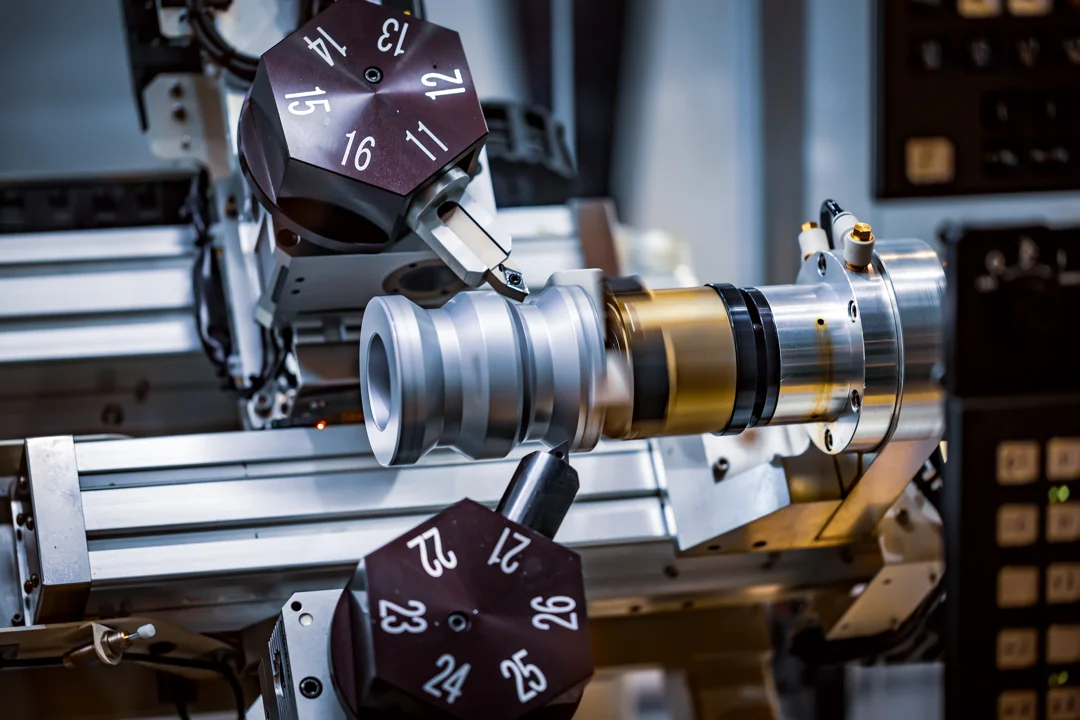
To put it into perspective: valve stems, balls, and seats often require the use of specialized alloys with tolerances within mere thousandths of an inch. The surface finish? It can be as smooth as glass—sometimes down to a roughness average (Ra) of less than 0.2 micrometers!
Here’s a quick look at what that means:
- Tight tolerances ensure a perfect fit—nothing loose, nothing grinding.
- Smooth surface finishes help with sealing, reducing friction, and extending a valve’s lifespan.
- Consistent roundness and concentricity keep the flow steady and predictable.
And if you’re a visual person like me, imagine trying to seal a garden hose with a wrinkled washer versus a rubbery, perfectly smooth one. The difference is night and day. Now, scale that up to equipment carrying millions of gallons of oil or gas. Suddenly, it’s a make-or-break scenario.
If that has you double-checking your own equipment, you’re not alone. It’s normal to wonder if quality is actually worth the investment. From what I’ve seen over my years in the machine shop, the answer is always “yes.”
What Parts Actually Get Machined? (And How?)
Alright, so what exactly goes into these valves? And what steps are involved in bringing them from raw steel to shiny, dependable assets?
Here’s the breakdown:
- Valve Body: The “heart” of the valve, handling the highest pressures. Precision machining ensures uniform wall thickness and exact dimensions for reliable sealing.
- Stem: Often made from tough alloys, the stem controls the packet, ensuring the valve opens or shuts as intended. If this part’s off—even slightly—valve operation will suffer.
- Seats: These form the critical sealing surface. Machined to extreme smoothness, they prevent leaks (especially in shut-off valves).
- Balls, Discs, or Plugs: In ball valves or plug valves, these internal components physically block or allow flow. Each one requires exacting roundness and surface quality.
The machining process can include:
- CNC turning and milling (for complex contours and perfect threads).
- CNC grinding (for mirror-like surfaces on sealing faces).
- Drilling, tapping, and boring (precision holes for connection points).
- Deburring and polishing (eliminating even microscopic imperfections).
Something I love about this field? Each part gets its moment in the spotlight. If you’ve ever held a freshly machined ball valve in your hands, you know—there’s an almost artistic satisfaction in it.
Why Trust APM for Oilfield Valve Machining in Colorado?
Now, let’s get specific. Advanced Precision Machining (APM) isn’t your run-of-the-mill Colorado machine shop. Our team eats, sleeps, and breathes specialized oil and gas machining services.

What Sets Us Apart?
- Decades of real-world experience. We’re not just running machines; we understand the conditions and challenges of the Colorado oil patch.
- API Standard Adherence. Every part is machined to meet or exceed the American Petroleum Institute (API) requirements, so you know you’re getting industry-grade reliability.
- Rigorous Quality Control. Inspections and quality control aren’t just checkboxes—they’re a mission. We employ advanced metrology equipment to nail accuracy every single time.
- State-of-the-art CNC machinery. Our shop floor isn’t just high tech—it’s practically NASA-level.
- Quick turnaround times. We know downtime is a killer, so we work fast (without sacrificing precision).
And yes, we’re local. If you need oil and gas machining in Colorado, we’re right here—not some faceless online supplier. That really matters when you need personal service or have unique needs.
Success in Action: Real Valve Projects for Colorado’s Oil & Gas Industry
You don’t have to take just our word for it—let me share a few quick real-world examples.
Case #1: Gate Valve Stem Manufacturing for a Colorado Drilling Site
A major operator reached out after an unexpected stem failure brought operations to a grinding halt. We reverse engineered the stem, selected a corrosion-resistant alloy, and turned it to a tolerance of ±0.0005 inches. Once installed, the operator noted markedly smoother valve control and zero leakage over the next 18 months.
Case #2: Emergency Valve Seat Fabrication
In another project, a customer needed a custom-sized seat for a high-pressure ball valve, fast. Using our CNC oil and gas machining solutions, we turned and polished a custom seat with an Ra finish below 0.2 micrometers. The replacement was not only spot-on, but extended the valve’s operational life by 30%.
Case #3: Complete Valve Refurbishment for an Oilfield Service Provider
One of our favorite jobs involved a full overhaul. We remachined all critical sealing surfaces, replaced worn stems, and upgraded the seats. End result? The client avoided costly replacements and got their valves back to “like new” condition at a fraction of the cost.
I’ve seen firsthand how these projects help companies stay productive. It’s rewarding, to say the least.
Conclusion: The Value of Getting It Right—Every Time
If you’re working in oil and gas, you know there’s no room for error—especially when it comes to valves. A misstep in the machining process can mean the difference between safe, efficient production and a costly disaster.
So, whether you need oilfield valve repairs, new CNC-machined gas and oil parts, or just want advice from someone who understands the stakes, reach out to Advanced Precision Machining. We really do care about delivering the best possible oil and gas machining solutions for Colorado and beyond.
Ready to put Advanced Precision Machining to work for your valves? Contact us today, or discover our full suite of Colorado machine shop services here.
Don’t leave performance up to chance. Trust a team that values precision, partnership, and a job well done—every single time.
Have questions, or just want to talk shop? Seriously, give us a call at 303-776-1910 We’re always happy to help, no matter how big or small the job!
by Gerry Dillon
Gerry Dillon is a co-founder, current owner and certified CNC machinist at Advanced Precision Machining (APM), a full-service machine shop located in Longmont, Colorado. Gerry has over 30 years of precision milling and machining experience under his belt.